
مرحباً بكم في جي إم تك
مرحباً بكم في جي إم تك
GreenMore Authors
GreenMore’s technical articles are written by the people who build and support the products. This page lists them — what they work on, what they write about, and what they have published.
If you have read something on this site and want to follow up with the person who wrote it, this is where to start.
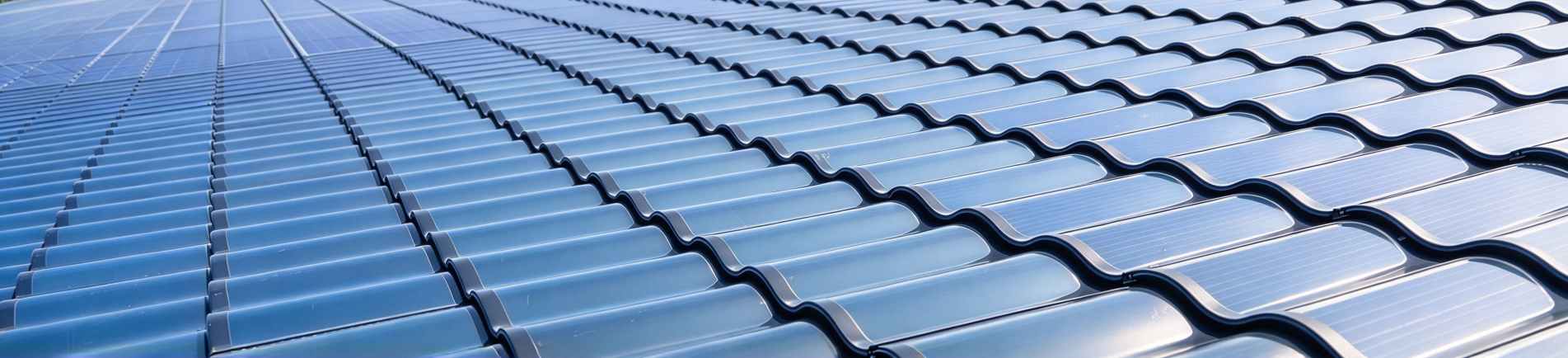
Luke runs GreenMore’s solar tile product line. His main focus is the triple-arch hantile, the curved tile behind most of our residential and commercial roof work. If you are new to the category, start with his overview of what a BIPV system actually consists of.
He has worked on photovoltaic systems since 2017, starting on the module side before moving into building-integrated products. Most of his week goes into matching curved tiles, inverters and batteries to real roofs: checking pitch and aspect, laying out strings so one weak face does not drag the rest down, and working out what the owner actually wants the finished roof to look like.
Two things take up most of his time — getting the system size right before anything is ordered, and making sure the roof stays watertight once the tiles go on. He wrote the sizing method out step by step in what size solar system do I need for my home, and covered the mounting logic behind the Fast-Install system separately.
On the project side, his work includes a completed residential roof in Israel and a 407-tile BIPV roof in Netanya. The Netanya case is the more detailed write-up: a four-aspect roof at around 8°, 74.8 kWh average daily yield, and a payback that only works once you count the roof renewal the owner was going to pay for anyway.
Beyond projects, he writes the product and engineering pieces — why the tiles use a laminated double-glazed build, and what that structure means for load, moisture and warranty. For commercial work he covers the storage side as well: how roof tiles and batteries combine to cut peak demand and add backup.
To follow up on something Luke wrote, use the contact page or write to export@gmsolarkit.com.
Peter runs GreenMore’s energy storage product line. He works with distributors, installers and system integrators to size residential and commercial storage around real load profiles, not brochure numbers.
His focus is LiFePO4 systems that match the inverter, the local grid rules and the backup needs of each destination market. The same battery is sized differently in a retrofit, a new build, and a site sitting on a weak grid.
Most of his work starts with two questions: how much usable capacity the site actually needs, and how much power it has to deliver at once. He wrote the home version of that method in what size solar battery do I need for my home, and the commercial version in what to prepare before installing a C&I storage system.
He also spends time on the specs buyers misread — what a C-rate actually means, why a 10 kWh battery will not run a whole house for a day, and where a storage inverter differs from a solar inverter.
For larger projects he covers containerized BESS, outdoor cabinets, time-of-use arbitrage and demand response — the cases where storage is bought as an asset rather than an appliance.
To follow up on something Peter wrote, use the contact page or write to export@gmsolarkit.com.
Smith is GreenMore’s technical director. His work sits between the drawing and the roof: reviewing system designs before they are built, sitting in on commissioning before a system is energised, and taking the calls that arrive after handover.
The support model he runs is a factory model rather than a service network. There are no regional partners and no local stock of every part in every market. In practice that means a first response within about a day, English as the working language, and an engineer who reads a fault log instead of a technician who drives to site. He set out what that model costs, and where it stops working, in when a BIPV project fails.
Most of what reaches him is not a product fault. Four of the five problems that generate the most tickets are installation errors: a communication cable that works but does not report, firmware that does not match between inverter and battery, a CT clamp fitted the wrong way round, and a string voltage that is fine in summer and over the limit on the first cold morning. The fifth is a roof detail — a cut through the drainage channel at a valley or ridge, which shows up as a leak a metre away from where it was made.
He also owns the parts side. Spares are either pre-purchased with the order, typically 3 to 5 percent of the quantity, or shipped from factory stock when they are needed. Neither is free, including inside the warranty period, which covers the defective part rather than a stock of replacements held on site. Repairs after the warranty are charged at cost, and where an engineer has to attend, travel and accommodation are quoted before anything is booked.
If a project is heading for trouble, the fastest route is a message with the model, serial number, fault code and a photograph. Requests that arrive with those are usually answered in the first reply.
To follow up on something Smith wrote, use the contact page or write to export@gmsolarkit.com.
More authors will be listed here as the team grows. Each one appears with the products they cover and the articles they have published.
ابقَ على اطلاع دائم بآخر أخبار GreenMore. نشارككم أحدث إصدارات بلاطات الطاقة الشمسية المدمجة في المباني، وتحديثات المنتجات والشهادات، وملاحظات ميدانية من مشاريعنا - باختصار، نركز فقط على ما يهمّ الفنيين والموزعين ومكاملين الأنظمة. إذا كان لديكم أي اقتراحات أو مواضيع ترغبون في تغطيتها، راسلونا - فنحن نقرأ جميع الردود.




حقوق الطبع والنشر
@ 2026 جي إم تك جميع الحقوق محفوظة
.  الشبكة المدعومة
خريطة الموقع / مدونة / Xml / سياسة الخصوصية


