مرحباً بكم في جي إم تك
مرحباً بكم في جي إم تك

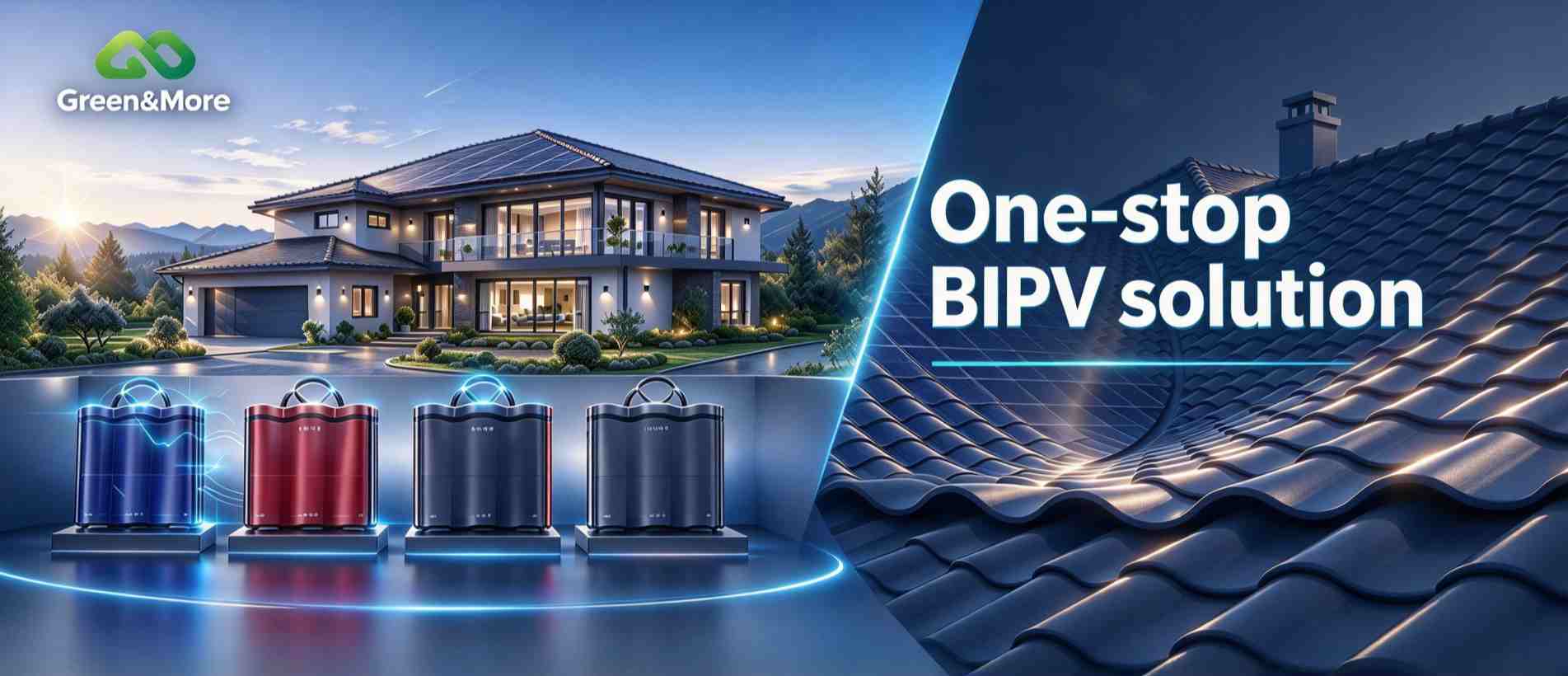
تلتزم GreenMore بتوفير حلول طاقة شاملة لعملائها حول العالم. نوفر مجموعة متكاملة من منتجات تخزين الطاقة المنزلية والتجارية، بما في ذلك بطاريات تخزين الطاقة المنزلية، وخزائن تخزين الطاقة الخارجية التجارية، وأنظمة BIPV.

بلاط الطاقة الشمسية

نظام الطاقة الشمسية

بطارية تخزين الطاقة التجارية

بطارية تخزين الطاقة المنزلية

عاكس الطاقة الشمسية

نظام تحويل الطاقة

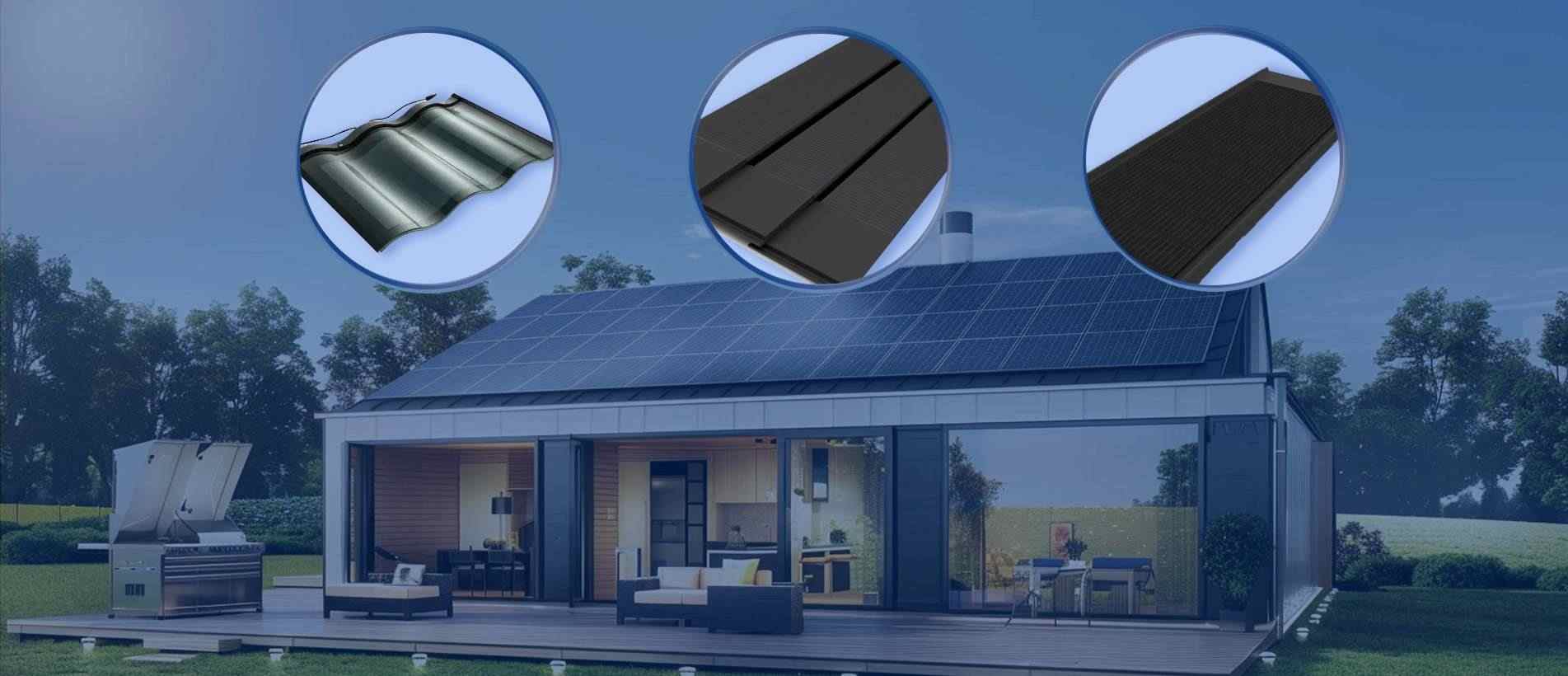
هذا بلاط كهروضوئي ثلاثي المنحنيات هو ثمرة التكامل العميق بين التكنولوجيا الحديثة وجماليات العمارة التقليدية. خضع تصميمه الفريد ثلاثي الأقواس وحجمه وشكله لمراجعة دقيقة من خبراء العمارة، مما يُكمل جماليات العمارة، ويوفر للعملاء مجموعة واسعة من حلول المطابقة المعمارية. يستخدم هذا المنتج براعة فائقة لدمج رقائق الأغشية الشمسية بشكل مثالي مع بلاط الأسقف التقليدي. فهو لا يتميز فقط بجمال ومتانة البلاط التقليدي، بل يتميز أيضًا بميزة عملية ممتازة. جودة الحماية من الحرائق من المستوى A ومقاومة الرياح من المستوى F تجعله مثاليًا من حيث السلامة، ويوفر حماية شاملة وموثوقة للمباني، وهو خيار مثالي للمباني الخضراء الحديثة.

جرينمور بلاطات كهروضوئية من نوع البلاط دمج توليد الطاقة الكهروضوئية يُركّب المنتج مباشرةً على سطح السقف، مما يوفر تصميمًا أنيقًا ومسطحًا يتماشى مع جماليات العمارة الحديثة. يلبي المنتج جميع المتطلبات. معايير الحماية من الحرائق من المستوى Aيوفر مقاومة قوية للأحمال مع 5400 باسكال من الجانب الأمامي و 2400 باسكال من الخلف الأداء الميكانيكي، والحفاظ على الاستقرار في ظل الظروف الجوية القاسية.شكراً لـ هيكل زجاجي مزدوج أحادي البلورة بدون إطار وبفضل الإنتاج الذكي في المصانع مع المراقبة على مدار 24 ساعة، توفر البلاطات جودة موثوقة و عمر خدمة يصل إلى 30 عامًايُسهّل التصميم خفيف الوزن والمتكامل مع السقف عملية التركيب مع الحفاظ على التناغم البصري للمبنى. كما تُقدّم GreenMore أيضًا خدمات تنظيف احترافية إرشادمما يضمن أداء النظام على المدى الطويل ويقلل من مخاوف الصيانة.

ال نظام تخزين الطاقة المنزلية هو حل سكني متكامل للطاقة الشمسية بالإضافة إلى التخزين يجمع بين وحدات الطاقة الشمسية الكهروضوئية عالية الكفاءة، أ محول هجين بقدرة 10 كيلوواطو بطارية ليثيوم فوسفات الحديد طويلة العمر. فهو يمكّن أصحاب المنازل من تخزين الطاقة الشمسية الزائدة، وتقليل الاعتماد على الشبكة، والحفاظ على الطاقة دون انقطاع أثناء انقطاع التيار الكهربائي - بما يتماشى مع نمو الطلب على أنظمة تخزين الطاقة السكنية في جميع أنحاء أوروبا وأستراليا وأفريقيا والشرق الأوسط.مصمم باستخدام كيمياء LFPيوفر النظام عمر دورة استثنائيًا، وأمانًا عاليًا، وإنتاجًا مستقرًا - بما يتوافق مع منتجات تخزين الطاقة المنزلية الرائدة في الصناعة مثل Tesla Powerwall وHuawei Luna وBYD Battery-Box، والتي تعطي الأولوية لـ LFP من أجل السلامة وطول العمر.يدعم النظام الشحن بالطاقة الشمسية، والشحن من الشبكة، ووضع النسخ الاحتياطيمما يجعلها مثالية للمنازل التي تواجه ارتفاع أسعار الكهرباء، أو شبكات غير مستقرة، أو الحاجة إلى استقلال الطاقة.

ال طقم الطاقة الشمسية للشرفة من جرين مور هو حل شمسي سهل التركيب والتشغيل، مصمم للشقق والمنازل الحضرية والمساحات التجارية الصغيرة. يدمج النظام وحدات الطاقة الشمسية الكهروضوئية عالية الكفاءة, المحولات الدقيقة، و أقواس تثبيت بزاوية قابلة للتعديلمما يسمح للمستخدمين بإكمال التثبيت بأنفسهم دون الحاجة إلى عمالة متخصصة. تصميم معياري مُجهز مسبقًا يُلغي هذا النظام تكاليف التركيب الإضافية، مما يُتيح نشرًا أسرع وإعدادًا مُبسطًا للمُركّبين. كما يسمح الحامل القابل للتعديل للمستخدمين بضبط زاوية اللوحة بدقة على مدار العام لتحقيق أقصى توليد للطاقة الشمسيةمما يجعله مثاليًا للشرفات والباحات والمساحات المحدودة. بفضل هيكله الصغير، وسهولة توصيله، ومخرج التيار المتردد المباشر، يوفر النظام نقطة دخول عملية وفعالة من حيث التكلفة لـ تطبيقات الطاقة الشمسية السكنية الموزعة.
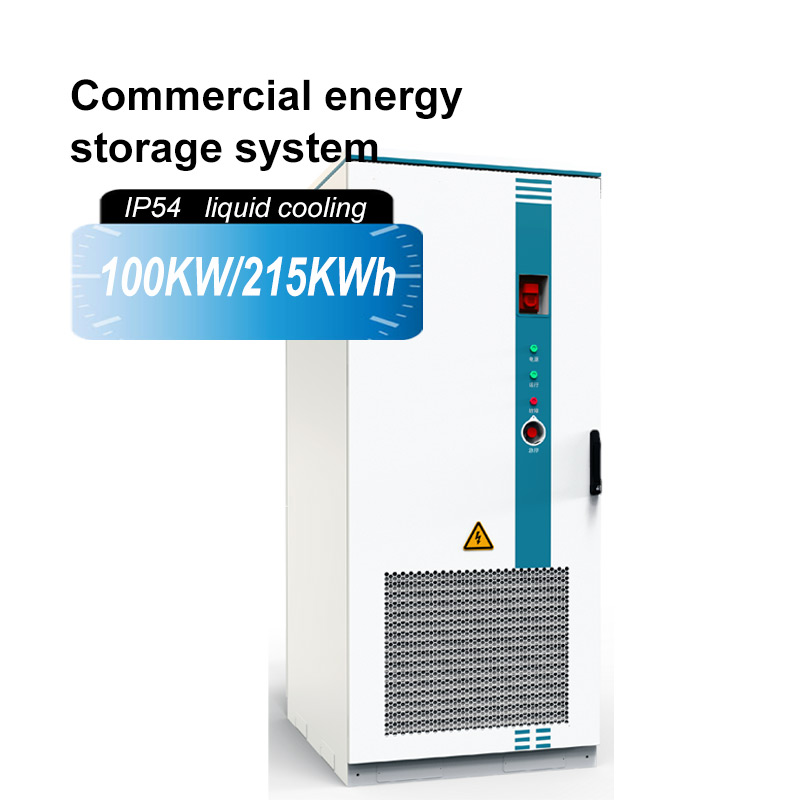
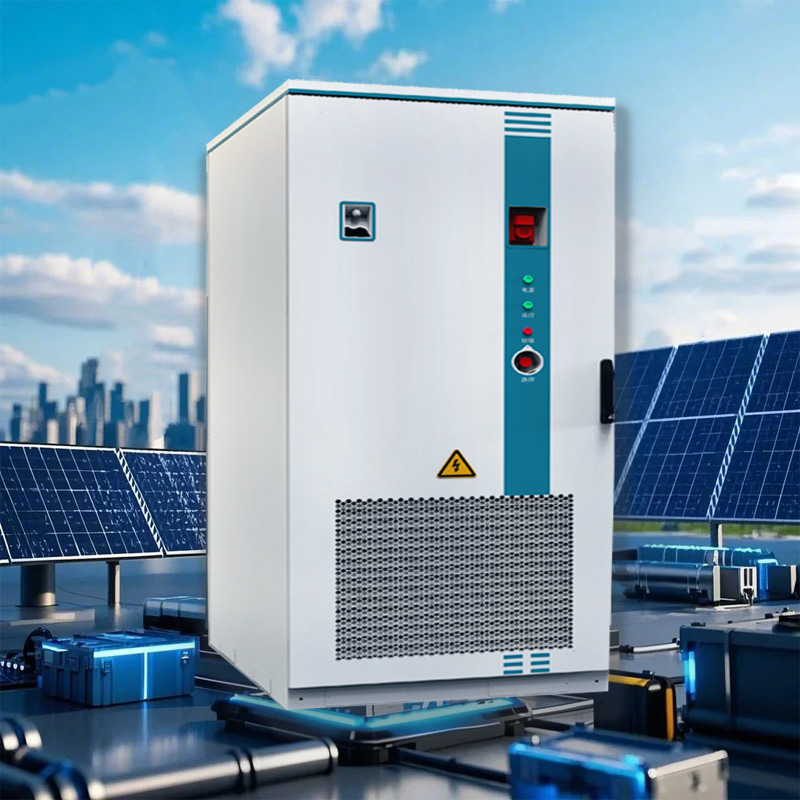
هذا خزانة تخزين الطاقة الخارجية المبردة بالسائل يعتمد تصميمًا معياريًا، ويدمج نظام إدارة ذكيًا BMS/EMS، ويدعم التوسع المتوازي لعدة آلات، ويلبي متطلبات سعة مختلفة. يتميز بوظيفة تحويل سلسة خارج الشبكة، ويدعم مجموعة متنوعة من سيناريوهات التطبيقات، مثل الطاقة الكهروضوئية، وطاقة الرياح، وتخزين الطاقة داخل الشبكة، وتخزين الطاقة الصناعية والتجارية. وهو مناسب لسيناريوهات مثل الشبكات الصغيرة، وتخزين الطاقة الكهروضوئية المتكاملة، والشحن، ويوفر حلولًا فعالة وموثوقة لتخزين الطاقة الجديدة.
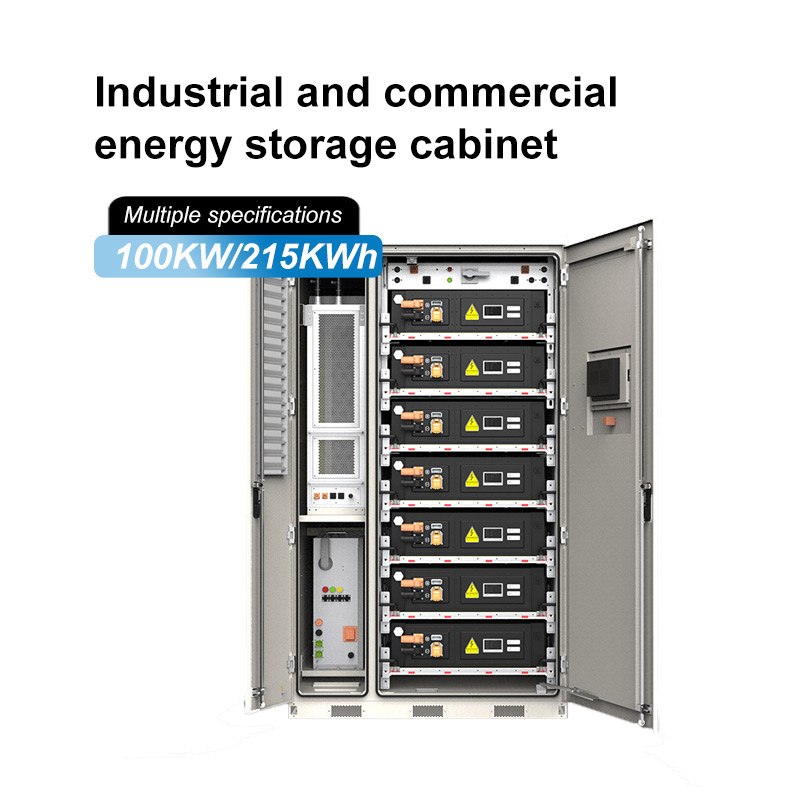
هذا المبرد بالهواء في الهواء الطلق نظام تخزين الطاقة في الخزانة يدمج نظام إدارة المباني (BMS)/إدارة الطاقة الكهربائية (EMS)، ويتبنى تصميمًا معياريًا، ويدعم التوسع المتوازي والتبديل خارج الشبكة، ويتميز بسعة تحميل ثلاثية الطور بنسبة 100% غير متوازنة. يوفر تشغيلًا متعدد الأوضاع، ويتكيف مع جميع السيناريوهات، مثل الشبكات الصغيرة، وتخزين الطاقة الكهروضوئية/طاقة الرياح، والصناعة والتجارة، والشبكة، وتخزين وشحن الطاقة الكهروضوئية، كما أنه مزود بحماية مدمجة من الصواعق والحرائق والسرقة، بالإضافة إلى وظائف حماية متعددة أخرى.

هذا نظام تخزين الطاقة المنزلية لديه عاكس الطاقة الشمسية المدمج يستخدم بطاريات ليثيوم فوسفات الحديد عالية الأمان. يدعم توليد الطاقة من خلال تحويل/عكس التيار المتردد/الطاقة الكهروضوئية، ويوفر إمدادًا مستمرًا بالطاقة. يتكيف بمرونة مع أربعة أوضاع شحن (بما في ذلك الطاقة الشمسية النقية، والشحن الهجين، إلخ). يتميز بتوافق قوي مع اتصالات CAN/RS485/RS232، وتصميم متكامل صديق للبيئة، وأنظمة حماية مدمجة متعددة.
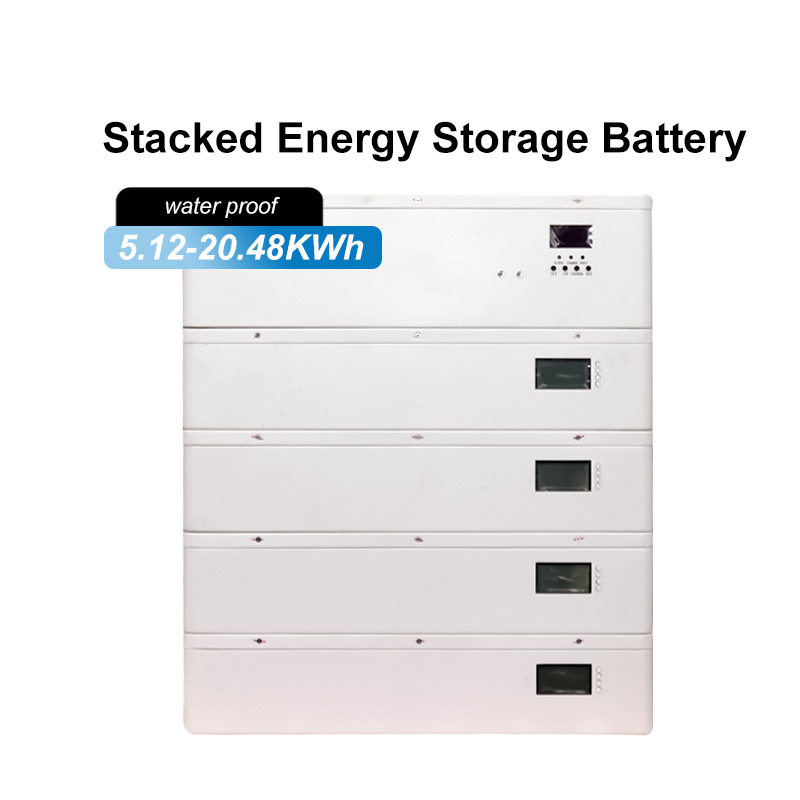
هذا بطارية تخزين الطاقة المنزلية يستخدم خلايا LFP، ويتميز بدورة حياة طويلة جدًا (أكثر من 6000 مرة) وعمر تصميمي يزيد عن 10 سنوات، مع مراعاة الكفاءة العالية والمتانة. يدعم المنتج مرونة في تكوين السعة من 5.12 كيلوواط/ساعة إلى 20.48 كيلوواط/ساعة من خلال تصميم معياري وقابل للتكديس، وهو مناسب لمتطلبات متعددة الاستخدامات (مستوى حماية IP65) داخلية وخارجية. يوفر حلولاً ذكية ومرنة ومتينة لإدارة طاقة المنازل.

موجة جيبية نقية عاكس تخزين الطاقة مع دعم Wifi وGPRS، شاحن MPPT مدمج بالطاقة الشمسية، تصميم مبتكر مع مجموعة مقاومة للغبار مدمجة للبيئات القاسية، تصميم شحن ذكي للبطارية لتحسين عمر البطارية، متوافق مع بطاريات Li-ion.
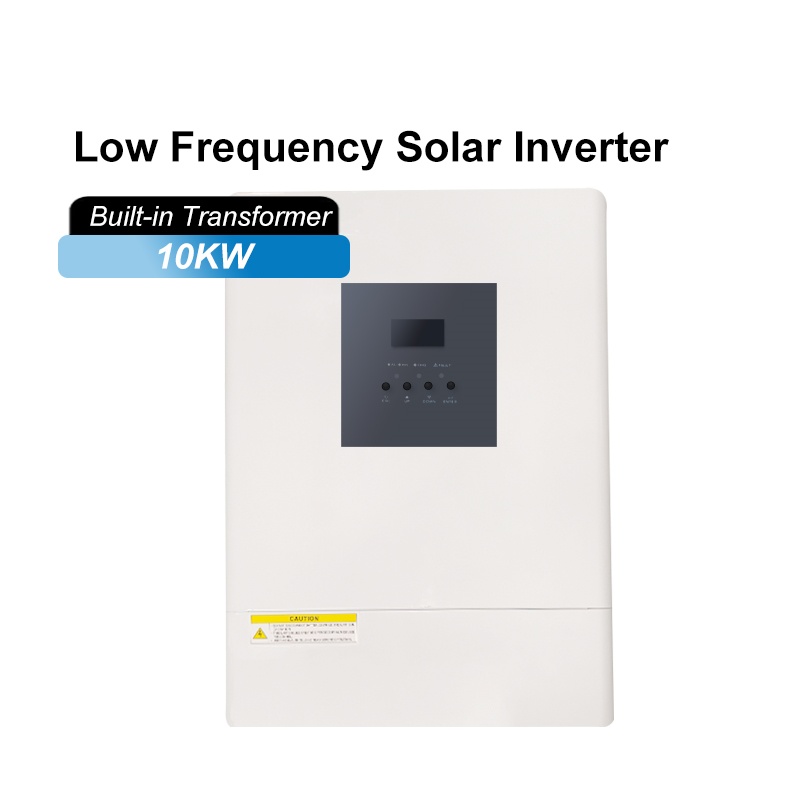
هذا عاكس الطاقة الشمسية منخفض التردد مُصمم لأنظمة توليد الطاقة الكهروضوئية خارج الشبكة/الشبكات الصغيرة. يستخدم تقنية تحويل الجهد منخفض التردد، ويجمع بين خوارزمية MPPT الذكية لتحقيق تحويل طاقة فعال وإنتاج مستقر. وهو مناسب لإمدادات الطاقة في المناطق النائية، وتخزين الطاقة المنزلية، وإمدادات الطاقة الاحتياطية الصناعية، وغيرها من السيناريوهات.
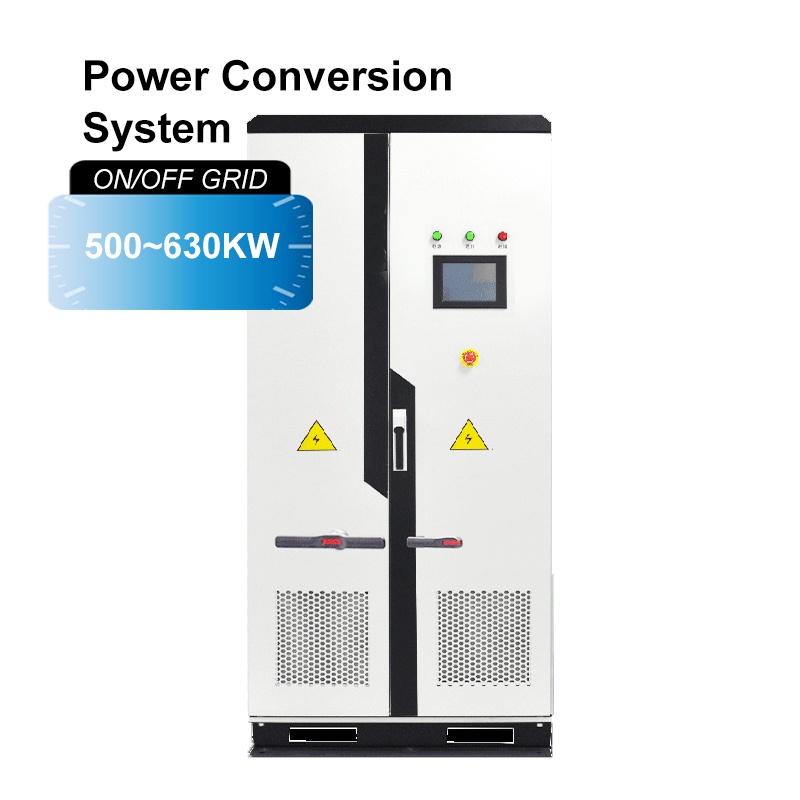
هذا PCS (نظام تحويل الطاقة) مُصمم للتطبيقات على مستوى الشبكة، ويدعم التوصيل المتوازي متعدد الآلات وبدء التشغيل عند انقطاع التيار الكهربائي، ويدمج وظيفة SVG لتحسين جودة الطاقة. وهو متوافق مع بروتوكول الاتصالات IEC61850، ومناسب لجميع سيناريوهات توليد الطاقة ونقلها وتوزيعها واستهلاكها. يتميز بتصميم واسع النطاق للجهد، ومتوافق مع إمكانية الوصول إلى بطاريات متعددة؛ ويمكنه ضبط الطاقة التفاعلية/النشطة بمرونة، بكفاءة قصوى تبلغ 98.7%، ويدعم الشحن والتفريغ المتصل بالشبكة، بالإضافة إلى عاكس مستقل عن الشبكة.
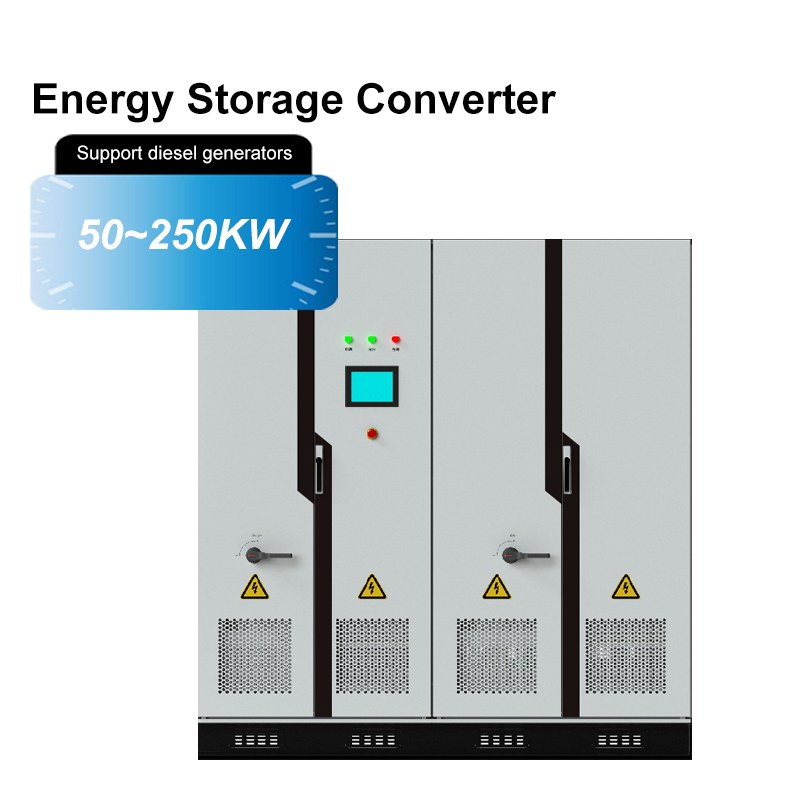
هذا أجهزة الكمبيوتر الشخصية محول تخزين الطاقة يعتمد تصميمًا صناعيًا لطوبولوجيا تردد الطاقة، ويضمن نظام الطاقة الاحتياطي المزدوج AC/DC إمدادًا مستقرًا بالطاقة لنظام التحكم. يتميز بتصميمه عالي الكثافة للطاقة بكفاءة قصوى تبلغ 97.6%، ويتميز بأداء ممتاز مع دائرة تحكم عالية الأداء مُحسّنة بتقنية معالجة الإشارات الرقمية (DSP).


سنوات الخبرة

الدول المصدرة

مشاريع مصممة خصيصًا

الموزعون


 خدمة ما بعد البيع
تُقدّم GreenMore نظامًا مُنظّمًا لخدمات ما بعد البيع، مُصمّمًا لدعم الموزّعين وشركات الهندسة والمشتريات والإنشاءات، وفنيي التركيب، ومُكاملِي الأنظمة، طوال دورة حياة مشاريع تخزين الطاقة والطاقة الشمسية. يُساعد فريقنا شركاءنا في تشخيص الأعطال، وفحص الأنظمة، وتنسيق قطع الغيار، واستعادة الأداء لضمان تشغيل مستقر على المدى الطويل. بفضل إجراءات الخدمة الواضحة، والوثائق الفنية، والدعم الهندسي المُستجيب، نُساعد في تقليل وقت توقف المشاريع، وتحسين موثوقية الأنظمة، والحفاظ على جودة خدمة مُتّسقة في التطبيقات السكنية والتجارية والصناعية.
 خدمات مصممة خصيصاً
توفر شركة GreenMore مرونة حلول طاقة مصممة خصيصاً نقدم خدماتنا للموزعين وشركات الهندسة والمشتريات والإنشاءات، وفنيي التركيب، ومكاملي الأنظمة الذين يحتاجون إلى منتجات مصممة خصيصًا لأسواق وتطبيقات واحتياجات علامات تجارية محددة. تشمل إمكانياتنا تخصيص منتجات OEM/ODM، والتصميم الهندسي على مستوى النظام، وتكامل الاتصالات وأنظمة إدارة الطاقة، ودعم العلامات التجارية والوثائق الجاهزة للسوق. من خلال الجمع بين الخبرة الفنية ومرونة التصنيع، نساعد شركاءنا على تقديم حلول طاقة متميزة للمنازل والمؤسسات التجارية والصناعية، تلبي المعايير الإقليمية، وتعزز القدرة التنافسية، وتسرع دخول السوق.
 توحيد الموردين
جرينمور خدمة توحيد الموردين تساعد هذه الخدمة الموزعين وشركات الهندسة والمشتريات والإنشاءات وفنيي التركيب ومكاملي الأنظمة على تبسيط عمليات الشراء وبناء سلسلة توريد أكثر استقرارًا وكفاءة وفعالية من حيث التكلفة. من خلال دمج موردين ذوي جودة عالية لوحدات الطاقة الشمسية والمحولات وأنظمة تخزين الطاقة ضمن إطار توريد موحد، نخفض تعقيدات التنسيق، ونحسن توافق المنتجات، ونضمن معايير فنية متسقة في جميع المشاريع. يعزز هذا النهج موثوقية التوريد، ويقصر دورات التسليم، ويحسن الأداء العام للنظام في التطبيقات السكنية والتجارية والصناعية.
 دعم السوق
جرينمور يوفر شامل دعم السوق ل يساعد الموزعين، EPC شركات، فنيو التركيب، و نظام المكاملون ينمو بثقة في ال عالمي الطاقة الشمسية و طاقة تخزين صناعة. خلال منظم سوق رؤى, تسويق التمكين, اِصطِلاحِيّ تمرين, و اتجاه بحث, نحن يساعد الشركاء موضع ال يمين منتجات ل ال يمين عملاء، تقوية ماركة مصداقية، و تسارع عمل توسع. مع ملكنا هندسة خبرة و على المدى الطويل شراكة عقلية، أنت يكسب ال أدوات، معرفة، و يدعم ضروري ل يبني a مستمر و تنافسي حضور في لك هدف الأسواق.
 التدريب على المنتج
جرينمور التدريب على المنتج يُقدّم البرنامج تدريبًا مُنظّمًا وهندسيًا للموزعين وشركات الهندسة والمشتريات والإنشاءات والمُركّبين ومُكاملّي الأنظمة العاملين في مجال حلول الطاقة الشمسية وتخزين الطاقة. وذلك من خلال وحدات شاملة تُغطي بلاطات الطاقة الشمسية المدمجة في المباني, أنظمة الطاقة الشمسية, تخزين الطاقة للقطاعات التجارية والصناعية، و خدمات الطاقة السكنيةنساعد الفرق على بناء فهم تقني متين، وتحسين جودة التركيب، وتعزيز قدرات خدمات ما بعد البيع. من خلال دراسات حالة لمشاريع حقيقية، وسير عمل موحد، ودعم فني مستمر، يُمكّن تدريبنا الشركاء من تقديم حلول أكثر أمانًا وموثوقية وتنافسية في الأسواق العالمية.
 الابتكار والتصميم
جرينمور الابتكار والتصميم تجمع فلسفتنا بين الدقة الهندسية واحتياجات التطبيقات العملية لابتكار حلول فعّالة وآمنة وقابلة للتطبيق عالميًا في مجال الطاقة الشمسية وتخزين الطاقة. بدءًا من ألواح الطاقة الشمسية المدمجة في المباني (BIPV) وصولًا إلى أنظمة تخزين الطاقة الشمسية المتكاملة، تركز عملية التصميم لدينا على الموثوقية الهيكلية، وتوافق النظام، والتكامل الجمالي، والأداء طويل الأمد. ومن خلال الاستفادة من بيانات الميدان، وآراء الشركاء، والبحث والتطوير المستمر، نقدم منتجات تلبي المعايير الدولية، مع دعم نشرها على نطاق واسع وجاهزة للسوق في مختلف المناطق.
بالاعتماد على تقنية تخزين طاقة بطاريات الليثيوم الأساسية، نفذت شركة GreenMore أكثر من 300 مشروع مرجعي عالميًا في مجال توليد الطاقة الكهروضوئية المنزلية ذاتيًا، ودمج تخزين الطاقة الكهروضوئية الصناعية والتجارية، وتوليد الطاقة ذاتيًا خارج الشبكة، وذلك في بيئات قاسية تتراوح بين -25 درجة مئوية و50 درجة مئوية، من رطوبة ساحلية عالية إلى غبار صحراوي. ومن بين هذه المشاريع، تجاوز معدل التوليد الذاتي للمشاريع المنزلية 95%، وانخفضت تكلفة الكيلوواط/ساعة بنسبة 60%-80%؛ وتجاوز معدل استبدال الكهرباء الخضراء للمشاريع الصناعية والتجارية 92%، وتقلصت فترة استرداد الاستثمار إلى 4-5 سنوات؛ ويدعم النظام خارج الشبكة إمدادًا مستمرًا بالكهرباء لمدة 72 ساعة في المناطق غير المتصلة بشبكات الكهرباء، مما يعود بالنفع على أكثر من 10,000 أسرة ومؤسسة.
تعرف على أحدث معلومات الصناعة وأحدث تقنيات تخزين الطاقة

A Anna GreenMore Marketing Department · Company News NANJING, China — October 23, 2026 GreenMore has issued guidance for distributors, roof contractors and project buyers on how to read mechanical load ratings when specifying building-integrated photovoltaic (BIPV) roof tiles for winter projects. The company says questions about snow and wind performance rise sharply in the fourth quarter, and that a single kilopascal figure on a specification sheet is not enough on its own to qualify a roof for a given climate. A BIPV tile is not a panel bolted over a finished roof. It replaces the roof covering, so the tile itself has to carry wind pressure, snow weight and wind uplift and transfer those forces into the roof structure. GreenMore’s guidance sets out the four points buyers should check before a project moves from quotation to order. Interlocking curved solar tiles form the weather surface as well as the generating surface of the roof Why Load Ratings Matter More for Roof Tiles With rack-mounted panels, a separate aluminium rail and clamp structure absorbs most of the mechanical stress. On an integrated roof, there is no second structure to lean on. The tile, its interlocking edges and its fixing points are the weather line and the load path at the same time. A rating that would be adequate for a mounted module can therefore understate what an integrated roof is asked to do. Load on a roof comes from two directions. Snow and downward wind pressure load the front face; wind flowing over the ridge creates suction that pulls at the back face. Buyers in snow belts care most about the first figure; buyers in coastal and high-wind regions need both. What the Standards Ask For The IEC 61215-2 qualification procedure for terrestrial photovoltaic modules sets the MQT 16 static load test at a minimum uniform load of 2,400 Pa. As a roofing component rather than a standalone module, a BIPV tile also has to satisfy construction product requirements; in Europe the relevant references include EN 14782 for self-supporting metal roofing products and EN 1090-1 for structural components, alongside CE marking. GreenMore advises buyers to ask three questions when comparing products: Is the figure a test load or a design load? A test load and the permitted design load are not the same number once safety factors are applied. The supplier should be able to state which one is printed on the sheet. Is a back-side (uplift) rating given? A front figure alone says nothing about storm suction. Can the test documentation be supplied? Ratings should trace back to a test report or certificate, not a marketing line. GreenMore’s Current Rating GreenMore’s Triple-Arch Hantile 32W is rated for a static mechanical load of 5,400 Pa on the front side and 2,400 Pa on the back side. The front-side figure is more than twice the 2,400 Pa IEC minimum test load. The triple-arch geometry stiffens the part and channels rainwater off the roof, while the double-glass, frameless build spreads load across the whole tile rather than through a perimeter frame. Interlocking edges and dedicated windproof hooks secure each course to the next, and the junction box and connectors carry an IP68 rating. The product is certified to EN 14782, EN 1090-1 and CE, and is covered by a 25-year linear power warranty. How the 5,400 Pa figure is reached in testing → BIPV roof tiles under 5,400 Pa of frontal pressure A Four-Point Checklist for Winter Orders For projects specified before the snow season, GreenMore recommends buyers confirm the following in writing: Front and back static load figures, with the standard and test procedure named. Roofing-product certification in the destination market (CE and the applicable EN standards for European projects). Fixing method and the windproof detail at eaves and ridges, since a tile is only as good as its weakest course. Warranty terms — weather-sealing and power output are usually covered separately. The same checklist applies to Mediterranean and coastal markets, where summer thermal cycling and salt air place different but equally real demands on the roof. A completed 15 kW residential installation in Greece shows how the system is detailed for that climate: 15 kW rooftop solar tile project in Greece → Statement from GreenMore “A solar roof is a structural product long before it is an electrical one, and the buyer who finds that out after a storm has paid too much for the lesson,” said Jimmy Wang, CEO of GreenMore. “We would rather a distributor put our 5,400 Pa rating next to the local snow and wind data and ask hard questions before ordering. If the numbers fit, the roof will still be a roof twenty winters later. If they do not, no efficiency figure in the brochure fixes that.” GreenMore supplies BIPV solar tile and BIPV systems to distributors and EPC partners across Europe and the Middle East, with OEM/ODM customization for dimensions, colours, profiles and electrical interfaces. Technical drawings, load documentation and samples can be requested through the company’s customized services team. About GreenMore GreenMore (Jiangsu GreenMore Technology Co., Ltd.) is a BIPV solar tile manufacturer based in China. Its core products are curved solar roof tiles built on BC cells, alongside flat solar tiles, photovoltaic ceramic tiles and photovoltaic curtain wall panels, with solar energy systems and residential, commercial and industrial energy storage supplied as part of integrated building-energy solutions. For more information, visit gmsolarkit.com. A Anna · Marketing Department, GreenMore Anna is a content specialist in GreenMore’s Marketing Department. She covers new product releases, project installations, exhibition participation and industry trends across the company’s solar and energy storage portfolio.
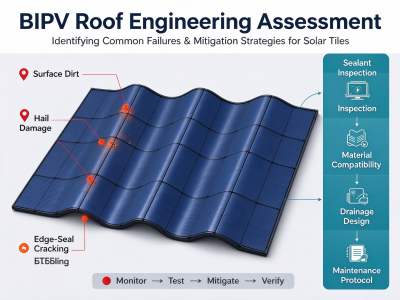
A Anna GreenMore Marketing Department · Company News NANJING, China — October 14, 2026 GreenMore, a specialist in BIPV integrated solar roofing solutions, today releases a field engineering assessment on the long-term reliability of solar tile systems. Based on extensive on-site inspections across overseas and domestic BIPV projects, the assessment summarizes typical failure modes observed in solar tiles during long-term outdoor service and proposes systematic risk identification methods and engineering mitigation strategies. As BIPV projects expand rapidly, many installations prioritize power generation metrics while overlooking the durability, sealing and structural stress requirements inherent to roofing components. This imbalance has led to various field failures affecting safety and return on investment. The assessment aims to provide architects, EPC contractors, roofing installers and project owners with practical guidance to reduce full-lifecycle risks in BIPV deployments. Industry Context: The Dual-Nature Challenge of BIPV BIPV solar tiles serve simultaneously as power-generating devices and building envelope components. They must satisfy both electrical performance standards and building weatherproofing requirements — a dual mandate that distinguishes them from conventional rooftop solar panels. The market now offers diverse products ranging from curved thin-film tiles to crystalline silicon solar tiles, each with different materials and encapsulation processes. Long-term exposure to outdoor humidity, ultraviolet radiation and thermal cycling continuously tests system reliability. A recurring industry pain point: many projects emphasize installed capacity during the design phase while underestimating risks from long-term aging, installation stress and seal degradation. These overlooked factors often emerge as costly failures after commissioning. Field Observations: Typical Failure Modes of Solar Tiles GreenMore's engineering team has documented the following failure categories across multiple project sites: 1. Interlayer Delamination and Encapsulation Failure Observed in curved CIGS thin-film three-curve tiles: ETFE front film peeling, edge seal damage, moisture ingress and interface separation between layers. Visually, affected areas show irregular whitish or opaque patches, often with visible bubbles or blisters under the ETFE surface. The failure reduces light transmission to the active cell layer, causing progressive power loss. More critically, moisture reaching the cell layer can corrode thin-film electrodes and compromise electrical insulation, creating potential DC arc hazards. 2. Edge Seal and Waterproofing Degradation Sealant aging, cracking at overlap joints and water pooling at tile interfaces lead to water infiltration, internal corrosion of components and compromised roof waterproofing. This failure mode is particularly prevalent in high-humidity coastal regions and areas with heavy seasonal rainfall. 3. Mechanical Stress-Related Defects Non-flat support structures and over-tightened fixings introduce micro-cracks in tiles. Foot traffic during installation causes hidden damage that may not be visible at handover but develops into failure points months later. Curved tiles are especially sensitive to substrate flatness and clamping force tolerance. 4. Electrical Failures Hot spots, cell corrosion and reduced insulation resistance pose DC safety risks. These issues often originate from moisture ingress or mechanical damage that compromises the electrical isolation of the cell layer. 5. Material Aging Long-term UV exposure causes encapsulant discoloration and reduced flexibility. Surface coating wear and ETFE film degradation further reduce light transmission and protective performance over the system's operational lifetime. Root Cause Classification GreenMore's assessment categorizes failure origins into three domains: Product Manufacturing: Lamination process limitations (especially for curved tiles), encapsulant material selection, edge seal material weathering resistance, and ETFE surface treatment consistency across production batches. Design & Installation: Roof drainage design, support structure flatness tolerance, fixing torque control, tile overlap detailing, and on-site handling protection. Environmental Acceleration: Thermal cycling fatigue, high humidity and monsoon conditions, UV degradation, and freeze-thaw mechanical stress. Mitigation Strategies and Engineering Best Practices Based on field experience, GreenMore recommends the following systematic approach: Pre-Project Assessment Verify product suitability for the specific climate and roof configuration. Request accelerated aging test data (damp heat, thermal cycling, humidity-freeze) from the tile manufacturer. Conduct roof structure load analysis and stress simulation for curved tile installations. Design Optimization Optimize tile overlap and drainage details to prevent water pooling at joints. Design support structures within the tile manufacturer's flatness tolerance. For curved tiles, ensure the substrate profile matches the tile curvature to minimize built-in stress. Construction Specification Implement strict on-site protection protocols: no walking on installed tiles, use crawl boards or roof ladders for access. Control fixing torque to manufacturer specifications. Protect edge seals during handling and stacking — once an edge is damaged, the tile's moisture barrier is compromised before installation. Periodic Inspection and O&M Conduct visual inspection of edge seals at least annually and after severe weather events. Perform periodic EL imaging and insulation resistance testing on sample tiles, especially during the first two years when latent manufacturing defects typically surface. Maintain installation records including batch numbers and tile positions for traceability. Acceptance Criteria Establish project-specific BIPV roofing acceptance checklists covering edge seal integrity, drainage verification, fixing torque records and baseline EL/IR test results. These benchmarks enable future performance comparison and early fault detection. Statement from GreenMore "BIPV is not simply putting solar modules on roofs. It is a building envelope system. Our field assessments show that most long-term failures stem from overlooking the interaction between material properties, structural stress and waterproof sealing. GreenMore focuses on system-level reliability rather than only peak power output, helping clients deliver durable and safe BIPV projects," said Jimmy Wang, CEO of GreenMore. Conclusion The success of BIPV projects depends on balancing power generation performance with building envelope durability. GreenMore's field engineering assessment underscores the importance of system-level reliability evaluation — from product selection and design optimization through installation control and ongoing maintenance. As the BIPV market matures, systematic reliability assessment will become an essential component of project planning. GreenMore continues to share field engineering insights to help the industry reduce lifecycle risks and protect long-term investment returns. For project-specific BIPV technical consultation, visit GreenMore Customised Services or contact the engineering team directly. About GreenMore GreenMore (Jiangsu GreenMore Technology Co., Ltd.) manufactures photovoltaic building-integrated products including solar tiles, solar ceramic tiles and photovoltaic curtain wall panels. The company also supplies energy storage systems for residential, commercial and industrial applications, as well as complete solar power station systems. GreenMore's products are exported to markets across Europe, the Middle East, Africa and the Americas. For more information, visit contact us. A Anna · Marketing Department, GreenMore Anna is a content specialist in GreenMore's Marketing Department. She covers technical assessments, product reliability studies, project installations and industry trends across the company's BIPV solar tile portfolio.

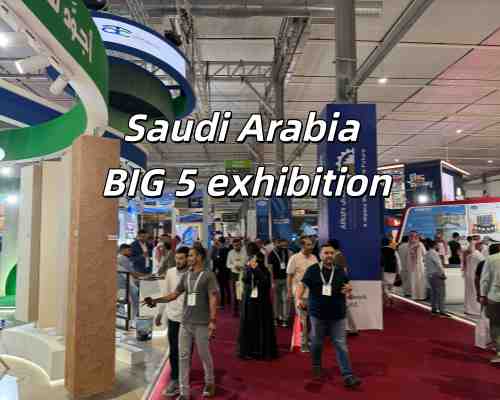
A Anna GreenMore Marketing Department · Company News NANJING, China — September 9, 2026 GreenMore recently exhibited at BIG 5 Construct Saudi 2026, presenting its new BC (Back-Contact) solar roof tiles to visitors from the construction, roofing and renewable-energy sectors. The exhibition took place from August 30 to September 2 at the Riyadh Front Exhibition & Conference Center. BC Solar Roof Tiles: Key Highlights The BC solar roof tiles are built on back-contact solar cell technology, which places all electrical contacts on the rear side of the cell. This design delivers higher conversion efficiency and improved thermal stability — advantages that matter in hot climates such as Saudi Arabia and the wider Middle East. Product features include: High-efficiency BC solar cells for improved rooftop energy generation Curved-roof compatibility, suitable for Mediterranean, villa and triple-arch roof designs Integrated solar roof aesthetics that preserve the building’s original appearance High-temperature durability, optimized for desert climates Compatibility with GreenMore energy storage systems, enabling complete home energy solutions For more details, see solar roof tiles and BIPV system solutions. GreenMore booth at BIG 5 Construct Saudi 2026, with staff presenting BC solar roof tile samples to visitors Market Response During the four-day exhibition, roofing contractors and project developers from the Middle East, Europe and Africa showed strong interest in the BC solar roof tiles. Visitors were particularly interested in how the product combines high-efficiency power generation with architectural harmony — a common challenge in regional villa and curved-roof projects. Attendees noted that the installation flexibility, heat-resistant design and long-term reliability of the product make it suitable for both new construction and roof-renovation projects. Statement from GreenMore “BIG 5 Construct Saudi gave us a valuable opportunity to connect with contractors and developers across the region,” said Jimmy Wang, CEO of GreenMore. “The response to our BC solar roof tiles confirmed that the market is looking for building-integrated solutions that work with local architecture — not against it. We will continue to invest in product development and regional partnerships to meet this demand.” About GreenMore GreenMore (Jiangsu GreenMore Technology Co., Ltd.) manufactures photovoltaic building-integrated products including solar tiles, solar ceramic tiles and photovoltaic curtain wall panels. The company also supplies energy storage systems for residential, commercial and industrial applications, as well as complete solar power station systems. GreenMore’s products are exported to markets across Europe, the Middle East, Africa and the Americas. For more information, visit contact us. A Anna · Marketing Department, GreenMore Anna is a content specialist in GreenMore’s Marketing Department. She covers new product releases, project installations, exhibition participation and industry trends across the company’s solar and energy storage portfolio.

A Anna GreenMore Marketing Department · Company News NANJING, China — July 6, 2026 GreenMore will participate in Big 5 Construct Saudi 2026, taking place August 30 – September 2 at the Riyadh Front Exhibition & Conference Center. As Saudi Arabia’s largest construction event, the exhibition brings together contractors, developers and material suppliers from across the region. GreenMore will present its solar roof tiles and energy storage systems, targeting roof renovation, new-build and OEM cooperation opportunities in the Middle East market. Big 5 Construct Saudi venue entrance, Riyadh Front Exhibition & Conference Center Products on Display The exhibition booth will feature products designed for the local climate and construction practices: Curved and flat solar roof tiles — compatible with common roof structures in Saudi Arabia, combining roofing protection with photovoltaic generation. Residential energy storage units — for households seeking energy independence and backup power. Commercial & industrial storage cabinets — air-cooled systems suited to high-temperature environments. Engineering and commercial teams will be available on-site to provide technical explanations, sample demonstrations and project consultation. Why the Middle East Matters Saudi Arabia’s Vision 2030 is driving significant investment in renewable energy and construction modernization. The Kingdom aims to source 50% of its energy from renewables by 2030, creating demand for building-integrated solar solutions that can withstand the region’s extreme heat and dust conditions. GreenMore’s solar tiles, with their high-temperature tolerance and structural durability, are positioned to serve this growing market. Statement from GreenMore “Big 5 Construct Saudi is the right stage for us to connect with the construction and energy communities in the Kingdom,” said Jimmy Wang, CEO of GreenMore. “Saudi Arabia’s building sector is evolving rapidly, and we see a clear need for solar solutions that integrate seamlessly into the architecture rather than being bolted on as an afterthought. We look forward to meeting contractors, developers and partners who share this vision.” About GreenMore GreenMore (Jiangsu GreenMore Technology Co., Ltd.) manufactures photovoltaic building-integrated products including solar tiles, solar ceramic tiles and photovoltaic curtain wall panels. The company also supplies energy storage systems for residential, commercial and industrial applications, as well as complete solar power station systems. GreenMore’s products are exported to markets across Europe, the Middle East, Africa and the Americas. For more information, visit contact us. A Anna · Marketing Department, GreenMore Anna is a content specialist in GreenMore’s Marketing Department. She covers new product releases, project installations, exhibition participation and industry trends across the company’s solar and energy storage portfolio.
يرجى مواصلة القراءة، والبقاء على اطلاع، والاشتراك، ونحن نرحب بك لتخبرنا بما تفكر فيه.




حقوق الطبع والنشر
@ 2026 جي إم تك جميع الحقوق محفوظة
.  الشبكة المدعومة
خريطة الموقع / مدونة / Xml / سياسة الخصوصية